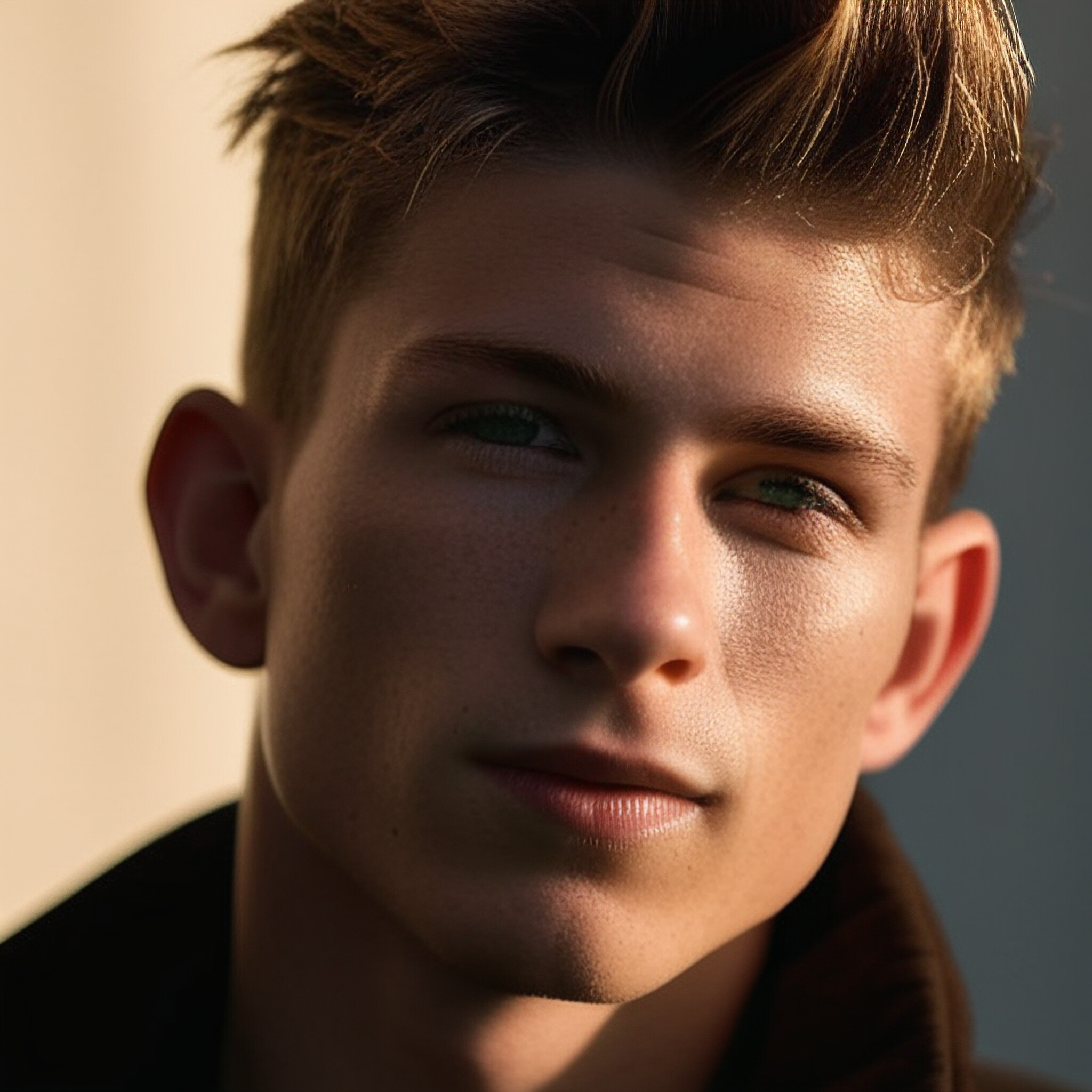
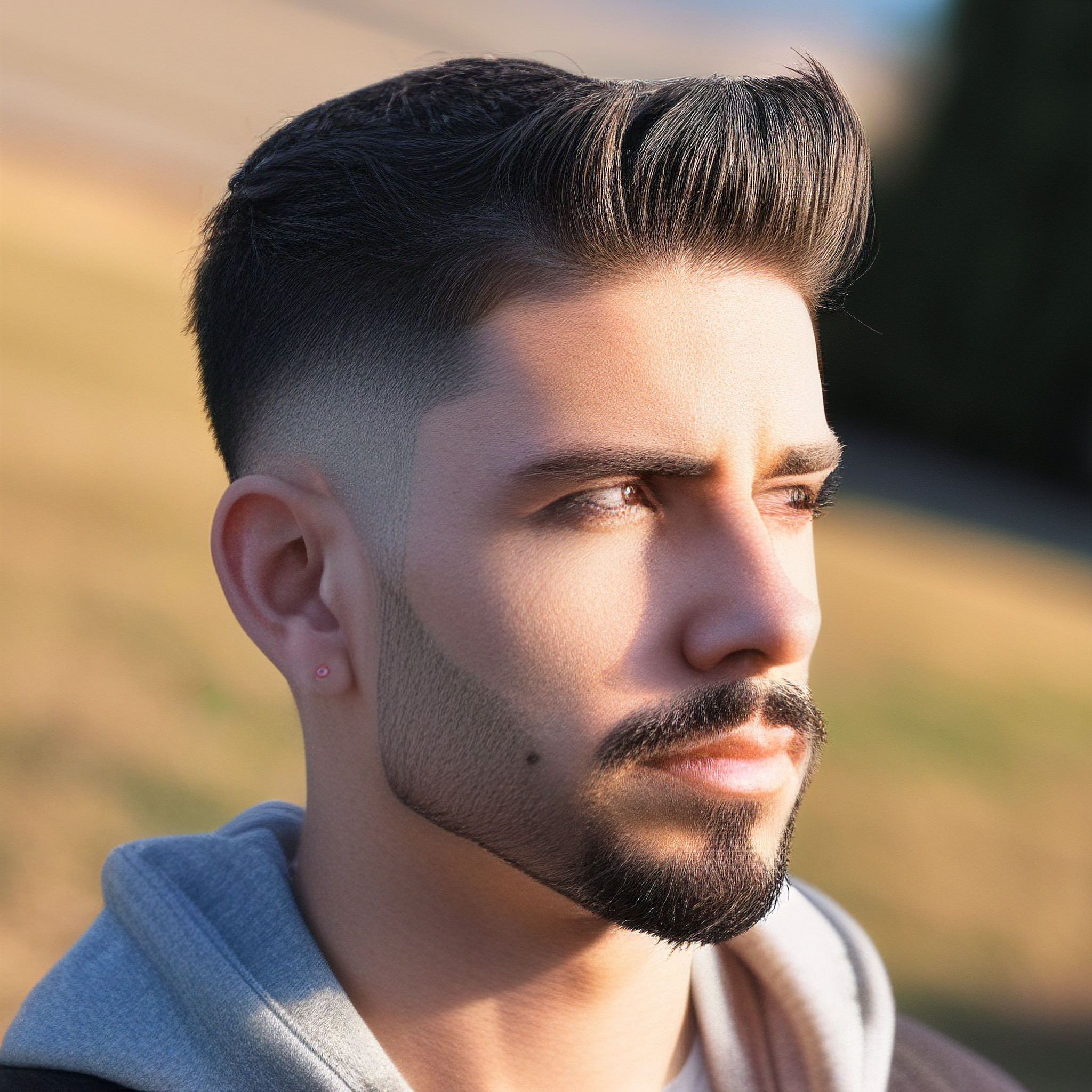
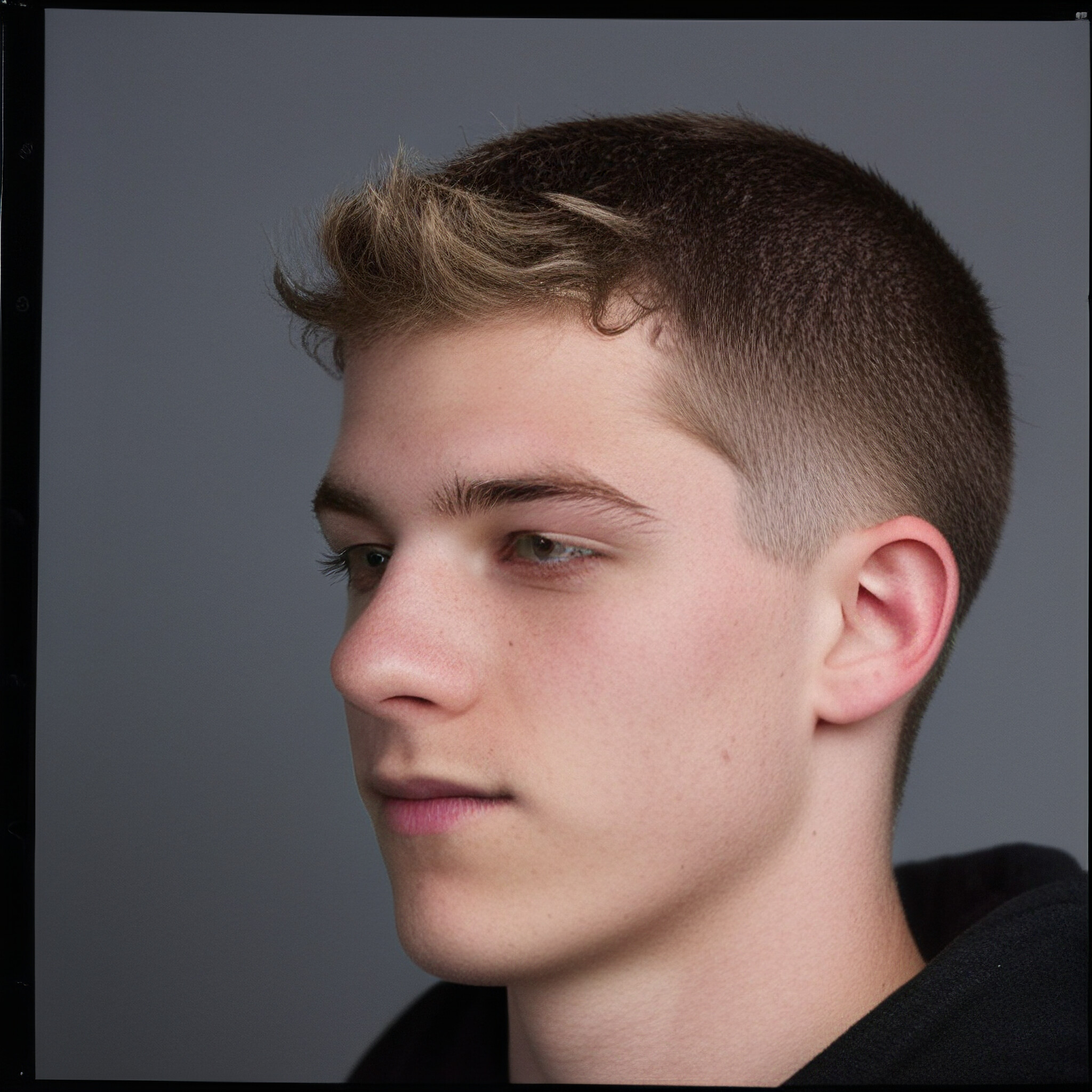
In the world of men's grooming, the bald fade (also known as the skin fade) has evolved from a military staple to a cornerstone of modern style. It is the ultimate high-contrast haircut, characterized by hair that gradually "disappears" into the skin.
Here is a guide to everything you need to know about the bald fade in 2026.
What is a Bald Fade?
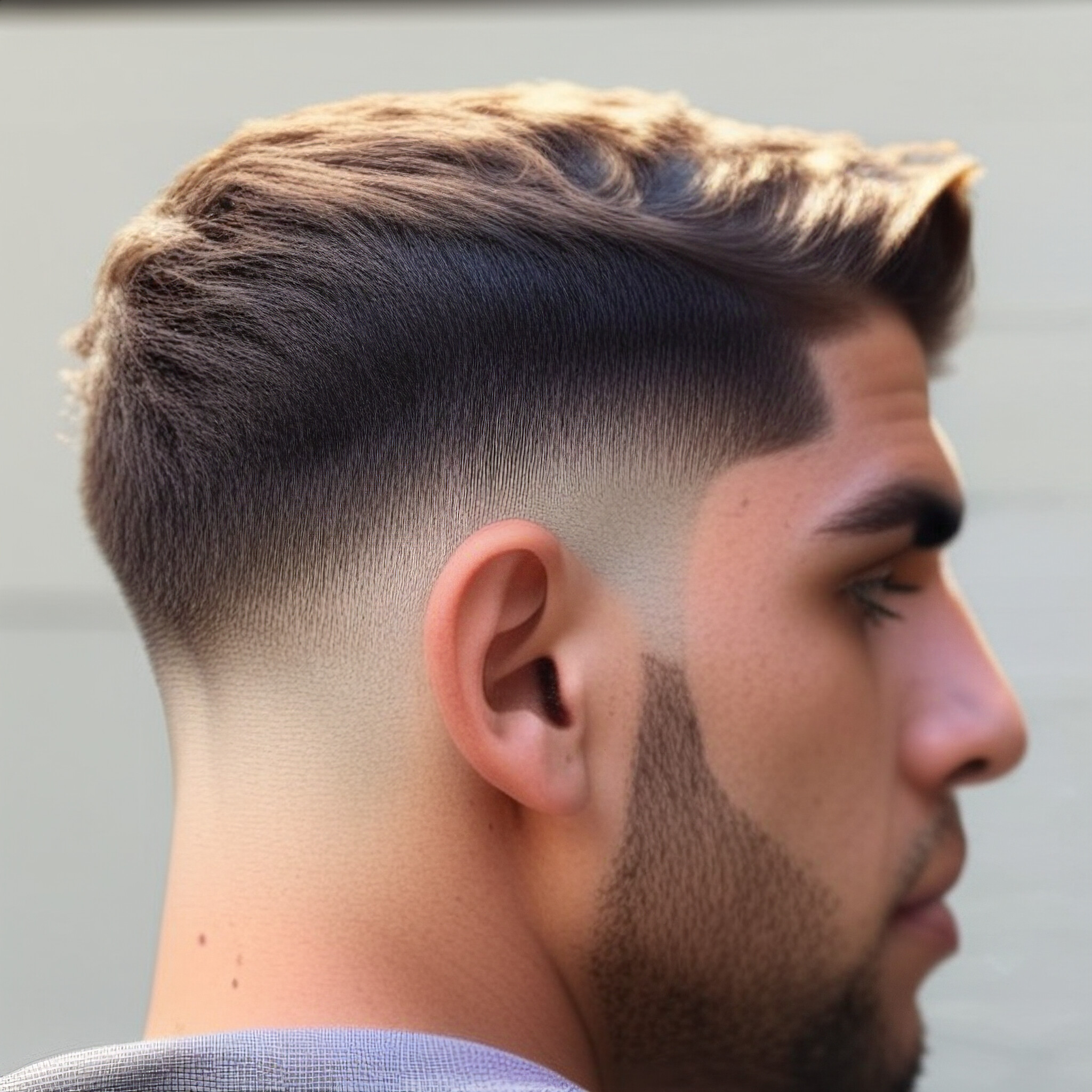
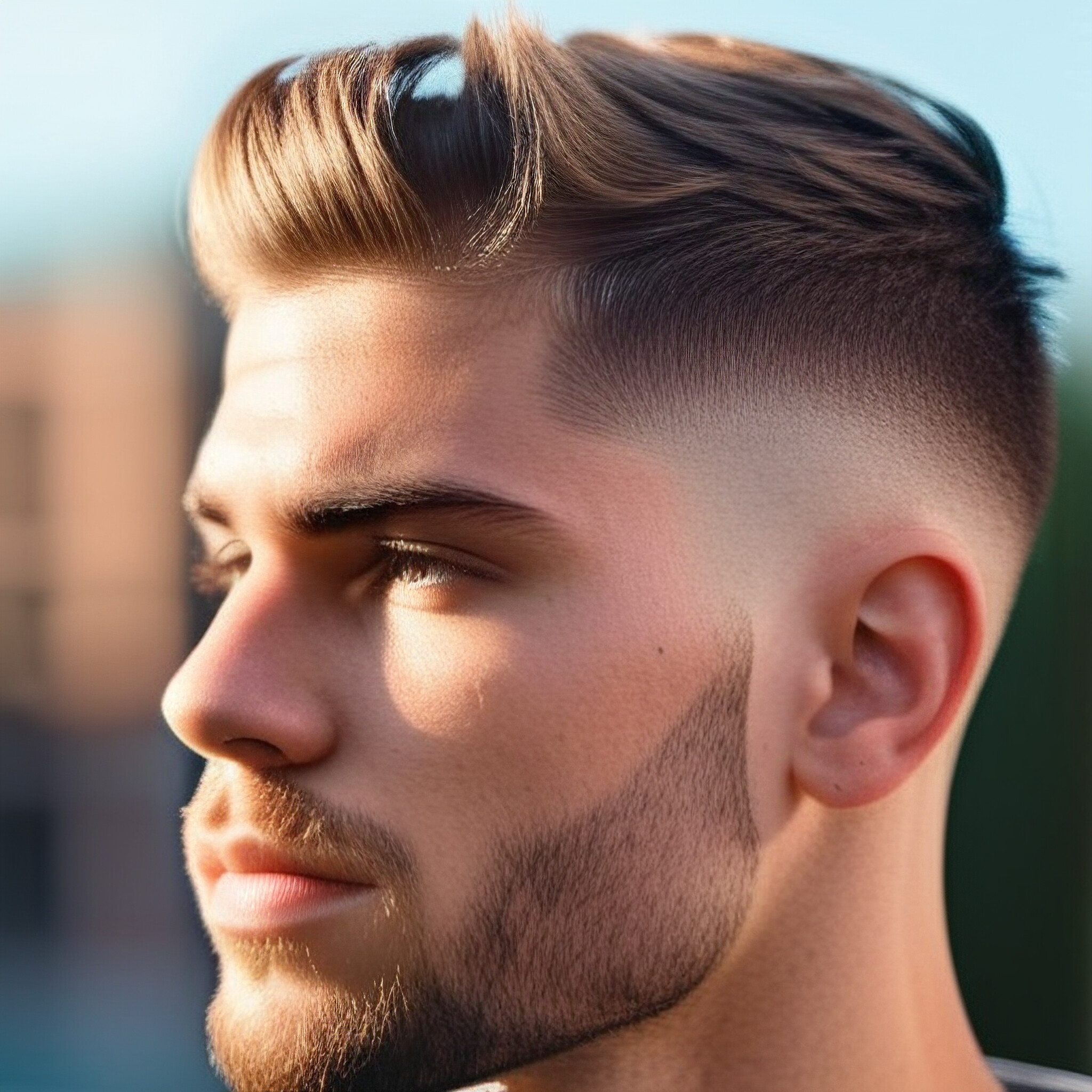
The defining feature of a bald fade is the blending of hair down to the bare scalp. While other fades might leave a "0" or "0.5" guard length at the bottom, a bald fade uses a foil shaver or straight razor to ensure there is no hair visible at the lowest point of the cut.
Key Characteristics:
The Gradient: A seamless transition from longer hair on top to completely smooth skin.
The Contrast: It creates a sharp, "popping" effect that makes the hair on top look fuller and more defined.
Versatility: It serves as a foundation for dozens of styles, from buzz cuts and French crops to pompadours and braids.
Finding the Right Fade for Your Face Type
Because a bald fade drastically changes the silhouette of your head, choosing the right height for the fade is essential to balance your facial features.
| Face Shape | Recommended Fade | Why it Works |
|---|---|---|
| Round | High Bald Fade | Adds vertical height and draws the eyes upward, making the face appear slimmer and more structured. |
| Square | Mid Bald Fade | Complements a strong jawline without making the head look too "boxy." |
| Oval | Any (Low/Mid/High) | This is the most balanced shape; you can experiment with any height safely. |
| Heart | Low Bald Fade | Keeps some width around the temples to balance a wider forehead and a narrower chin. |
| Long/Oblong | Low Bald Fade | Avoid high fades, which add too much height and can make the face look even longer. |
Bald Fade vs. Other Fades
It’s easy to get confused at the barbershop. Here is how the bald fade stacks up against its closest "cousins":
1. Bald Fade vs. Taper Fade
A taper is more conservative. It only fades the hair at the sideburns and the nape of the neck, leaving the rest of the sides with some length. A bald fade encircles the entire head and goes much shorter.
2. Bald Fade vs. Drop Fade
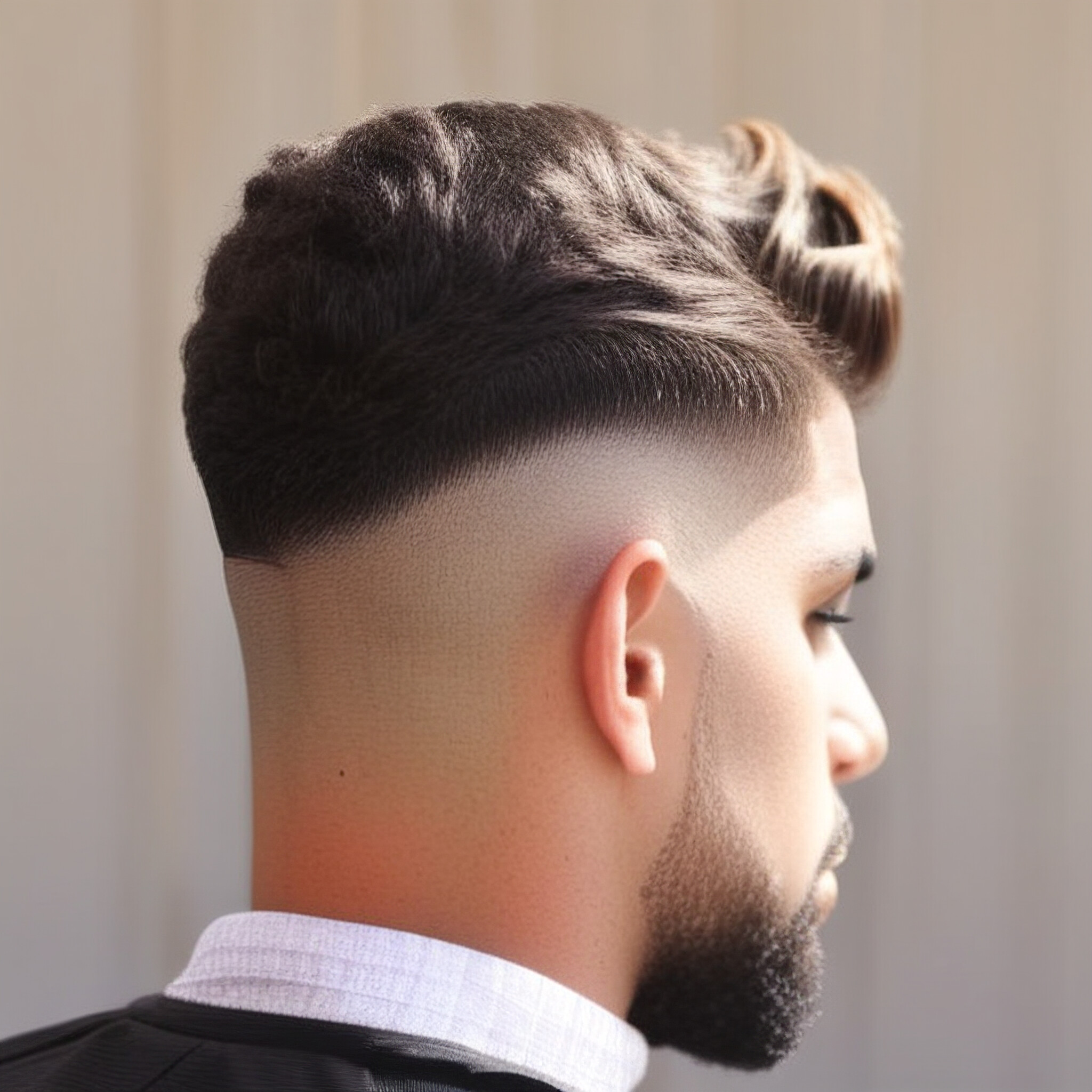
A drop fade refers to the shape of the line. Instead of a straight line around the head, the fade "drops" behind the ear to follow the natural curve of the skull. You can have a "Bald Drop Fade" which combines both concepts.
3. Bald Fade vs. Burst Fade
A burst fade is localized around the ear, creating a circular "burst" effect. It is most commonly seen on mohawks or "South of France" cuts, whereas a bald fade is a continuous transition all the way around.
2026 Trends & Pro-Tips
The "Natural Top": In 2026, the trend has shifted away from "heavy" products like gels. Pair your bald fade with a textured, messy top using sea salt spray or matte clay for a modern, effortless look.
Maintenance is High: Because the hair is cut to the skin, regrowth is visible within 3–4 days. To keep it "crisp," you’ll likely need a barber visit every 2 to 3 weeks.
Scalp Care: Since a portion of your scalp is now exposed to the elements, don't forget SPF in the summer and a light moisturizer to prevent "clipper burn" or dryness.
Barber's Secret: If you're nervous about going "skin-tight" for the first time, ask for a Mid Bald Fade. It’s the "Goldilocks" of fades—not too aggressive, but still sharp enough to notice.